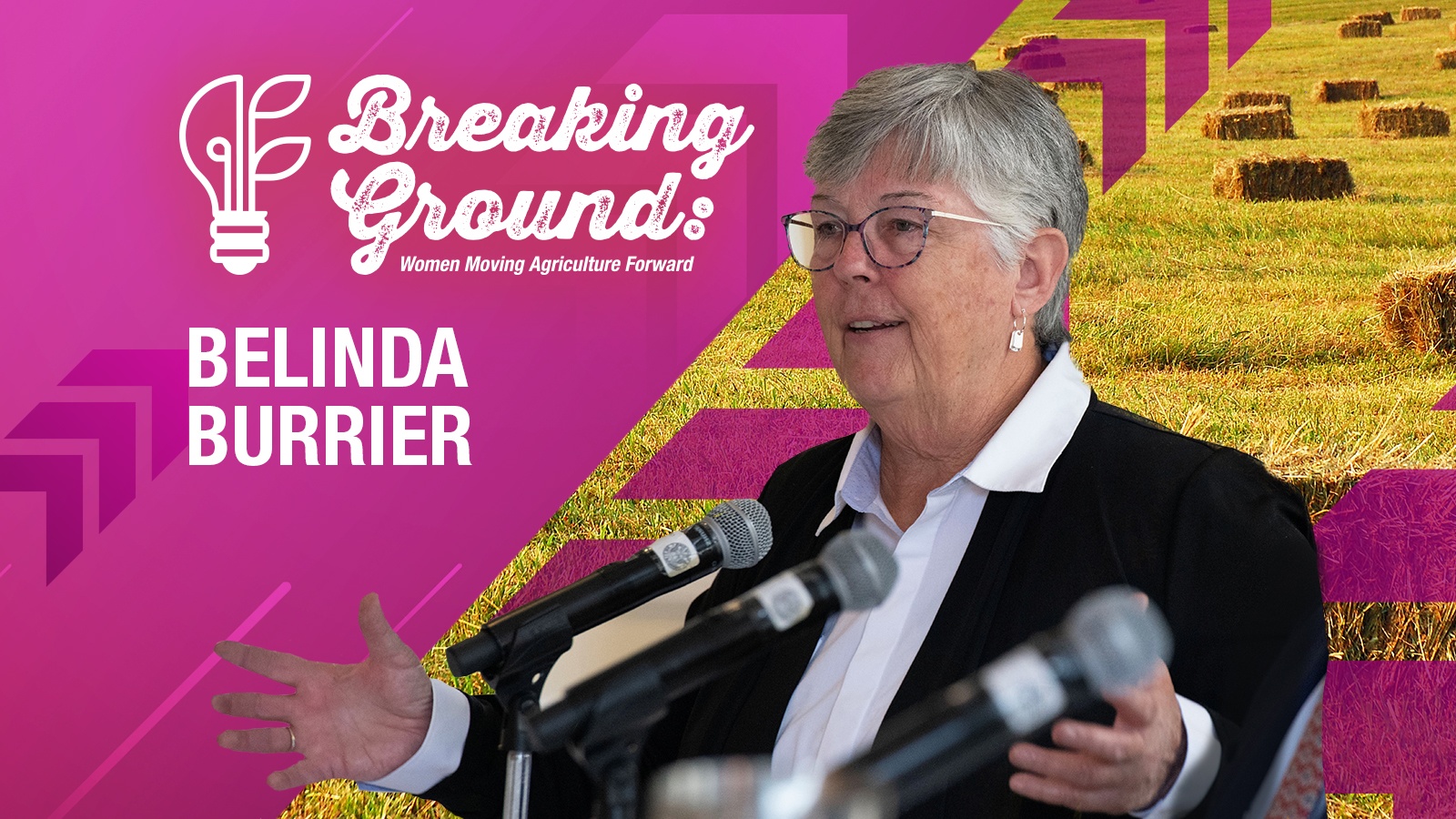
Leading the Farm While Shaping the Future
Belinda Burrier combines hands-on farm leadership with mentorship beyond the field.
3 Min Read
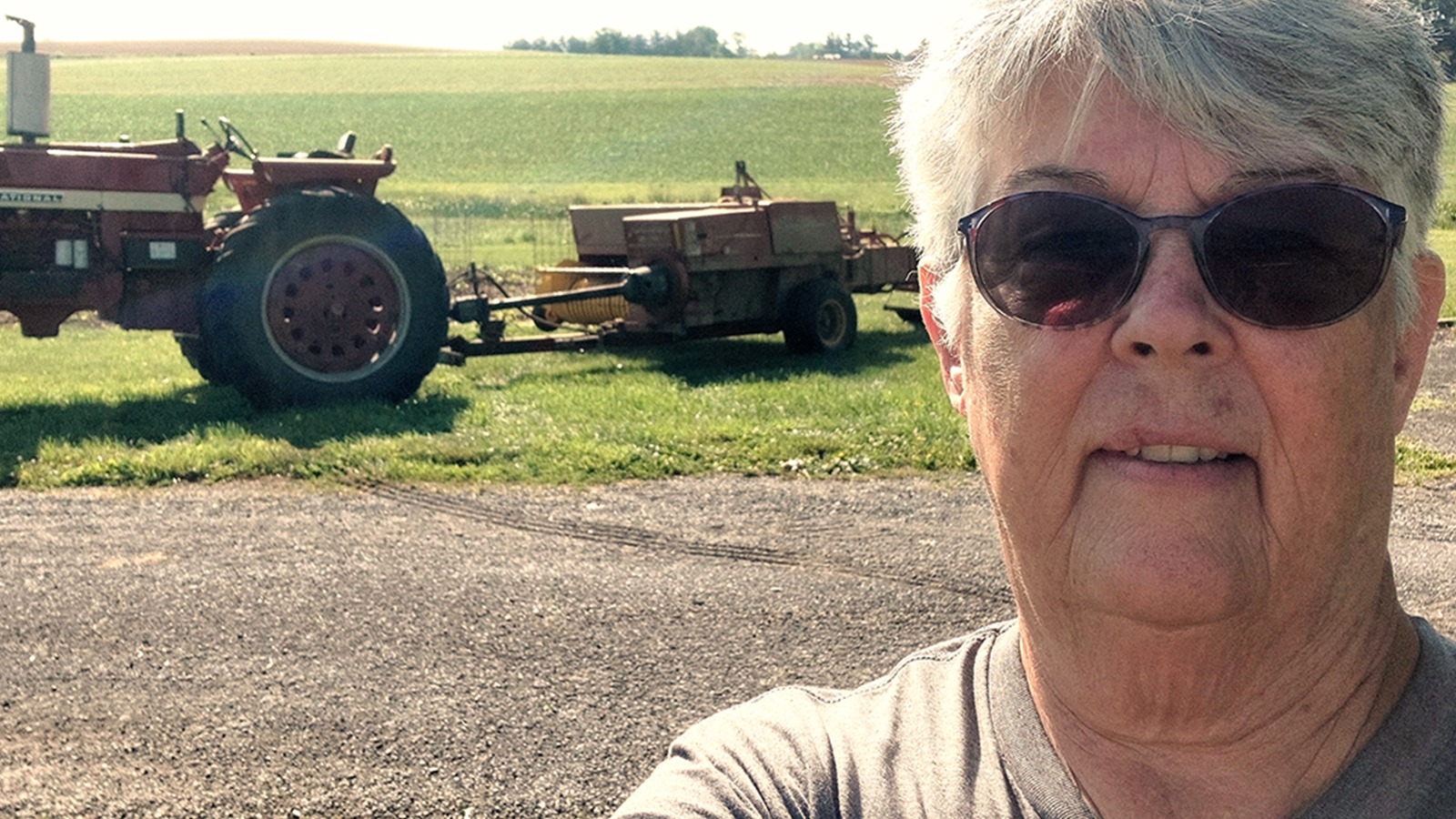
Twenty-four years ago, Belinda Burrier married her husband — and it’s fitting to say she married their Maryland farm that day, too. Burrier didn’t grow up farming but learned on the job alongside her husband. Through decades of hard work and dedication, she now operates equipment, helps manage day-to-day operations and uses her social media platforms to connect people to a behind-the-scenes look at modern agriculture.
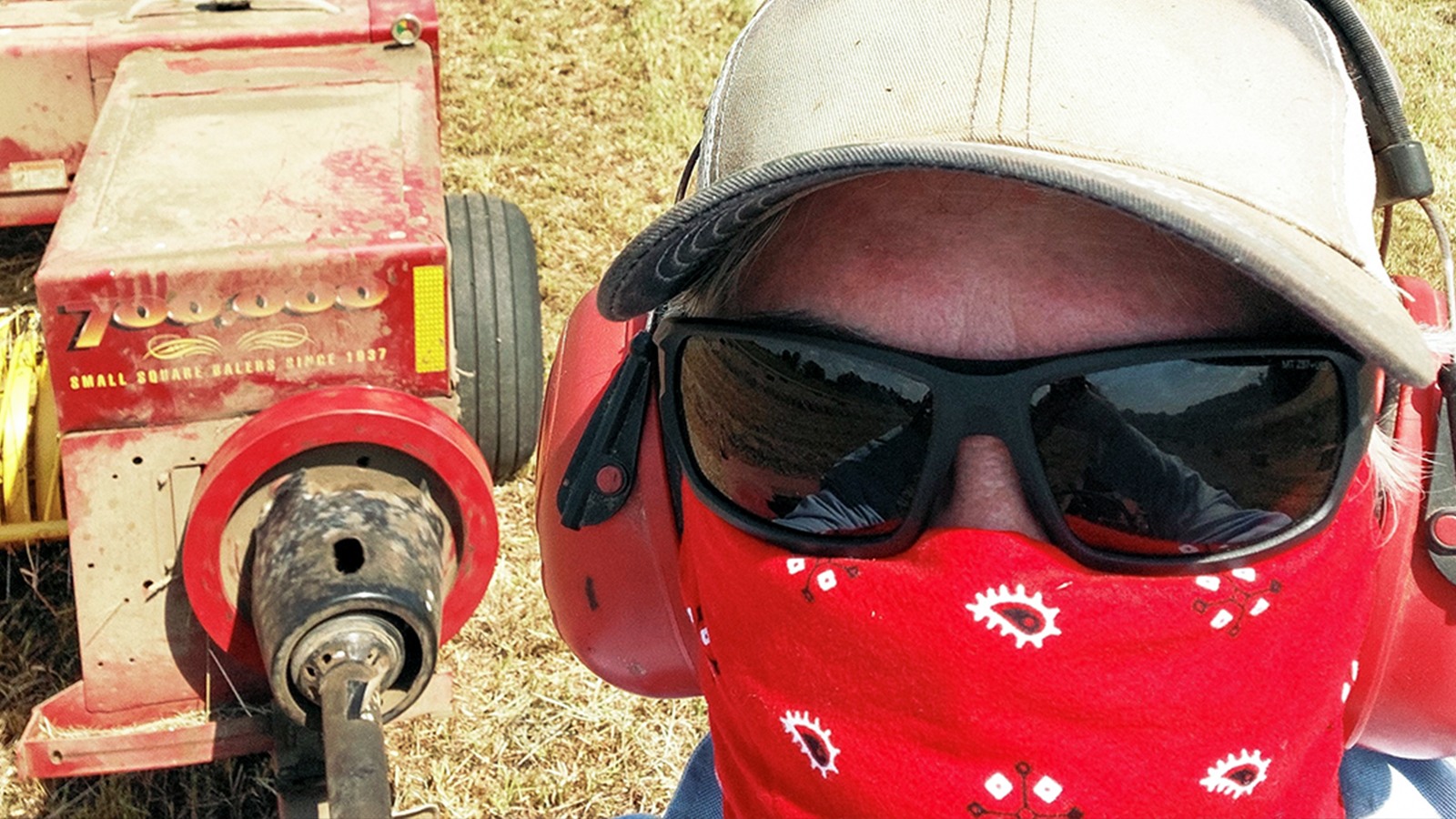
From Memorial Day through late fall, much of Burrier’s focus is on hay production. She tedders and rakes hay, prepares fields for baling and handles all other haymaking work. In a typical year, Burrier and her daughter manage about 25,000 small square bales.
Burrier tackles whatever work the farm needs. “Whatever needs to be done, I’ve learned to do it,” she says.
That includes mowing waterways and pastures, moving trucks, loading and unloading grain and operating some of the farm’s machinery. While her husband still claims dibs on running the combine, Burrier’s role reflects the reality that many women are increasingly serving as operators, managers, advocates and decision-makers across American farms.
Challenging Assumptions From the Tractor Seat
Some of Burrier’s fields are visible from a nearby road; she says travelers sometimes stop to take photos while she works. What often catches their attention isn’t just the equipment, but who’s operating it.
“When I get to the end of the field, they realize that’s a woman driving that tractor,” she says. “Women are out there doing every kind of job you can think of.”
Those moments matter because visibility helps expand what’s possible for others considering a future in agriculture.
Women are out there doing every job you can think of.
For Burrier, representation is about far more than proving women belong in agriculture. It’s about helping the next generation envision themselves in roles they may have never considered.
“They need to know that they can do it too,” she says. “I like to be that positive influence.”
Building Trust Through Advocacy
Burrier’s advocacy began through her involvement with CommonGround, a volunteer network that helps connect consumers with farmers and ranchers through authentic conversations about food and agriculture.
Those experiences eventually expanded to , where she has spent years sharing life on the farm and answering questions from her followers.
“I’ve been contacted by people who aren’t farmers and they’ll say, ‘Thank you for promoting agriculture the way you do,'” Burrier says.
Farming, she explained, requires years of learning and continuous education. Just as she spent decades building knowledge after marrying into agriculture, she’s now helping mentor others beginning their own journeys.
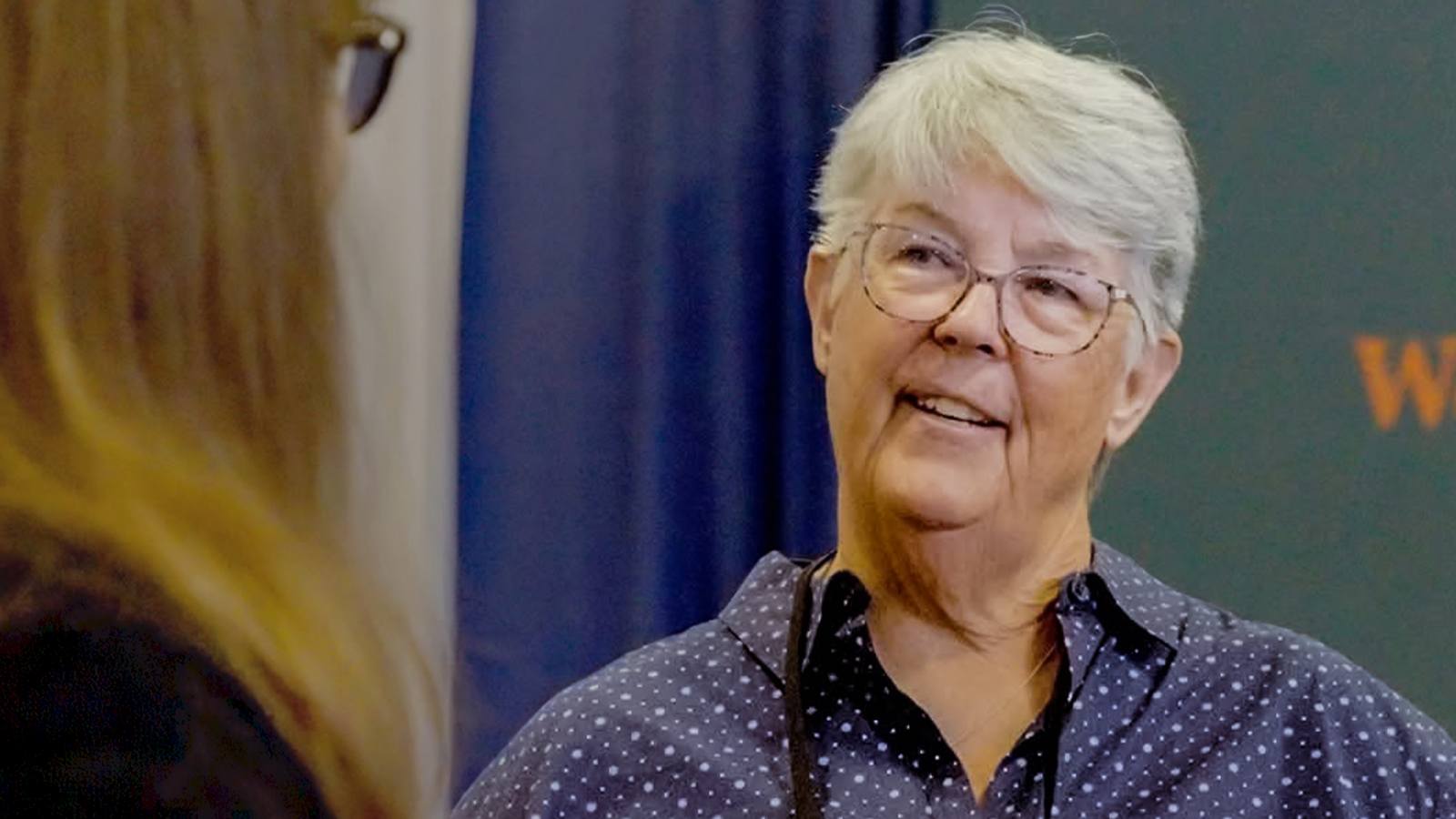
Leading the Next Generation Forward
Burrier believes women will play an increasingly important role in the future of production agriculture. As longtime farm operators retire, many women are stepping into leadership positions and helping guide the next chapter of family operations.
That perspective is shaped by her own experiences. Throughout her career, Burrier pursued leadership programs, sought out mentors and embraced opportunities that pushed her outside her comfort zone. She credits strong support from her husband, along with a willingness to keep learning, for helping her build confidence as both a farmer and advocate.
Now, she encourages young women to do the same.
“Take some leadership classes. Hang out with other women farmers,” she says. “Hang out with people you want to be like.”
Mentorship, she believes, can help the next generation avoid unnecessary obstacles and discover opportunities more quickly.
“I’m always open to tell anything that I learn,” Burrier says.
That willingness to share knowledge reflects her broader philosophy about agriculture and advocacy. Whether she’s helping consumers better understand farming or encouraging the next generation of women in the industry, Burrier sees agriculture as a community built on learning, collaboration and support.

RECOMMENDED FOR YOU