


Community & Culture
The Ideal Farm First-Aid Kit
The time is always right for growers to consider what items they should include in an on-farm first-aid kit.
May 2021 |
Updated May 2026 | By Susan Fisher
3 Min Read
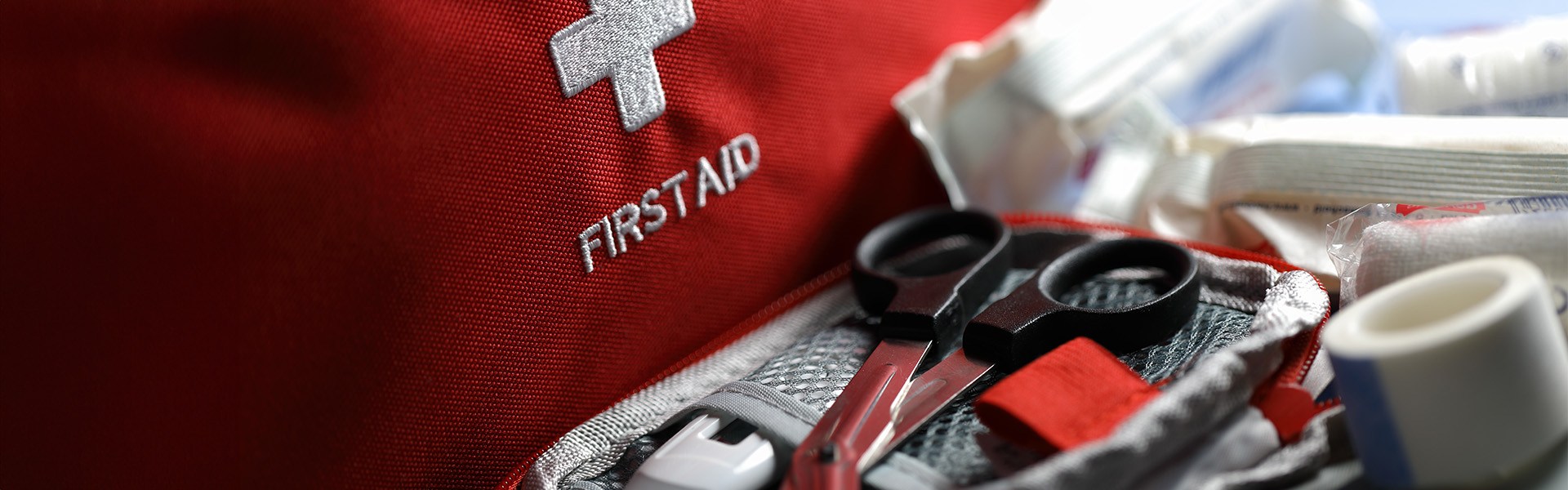
Assembling an on-farm first aid kit is time well spent, say experts at the AgriSafe Network, a national group of health-care workers and educators who advocate for better rural health. To minimize injuries and save lives, they recommend growers consider investing in first aid kits that account for the unique risks of the job.
What to Include in Your Farm First Aid Kit
Everyday Injuries on the Farm
- Adhesive bandages — Various sizes and types, including knuckle and butterfly bandages.
- Alcohol wipes — For cleaning small wounds or insect stings.
- 1- and 2-inch paper tape on a roller — For easier tearing.
- To dress wounds —
- 2-, 4- and 6-inch elastic wraps (with clips, Velcro or self-adhering features).
- 2-, 4- and 6-inch gauze stretch wraps.
- Absorbent gauze pads (also referred to as combine dressings) — 4 inch by 4 inch (quantity of 12) and 8 inch by 10 inch (quantity of 4).
- Large clean cloth — To use as a sling.
- Large safety pins — To pin a sling or clothing.
- 2 instant cold packs, sized 5-inch x 8-inch — Know how to properly “pop” them.
Eye and Chemical Safety
- Two 8-ounce containers of sterile saline — To initially cleanse wounds and for immediate irrigation when accidental chemical sprays, grain particles, etc., enter the eye.
- Jug of water sealed and stored in a large plastic bag — For eye irrigation and hydration.
Weather and Exposure Protection
- Emergency/survival blanket (same material as Mylar balloons) — To protect people from the elements and ward off shock.
- Quilted or heavy “picnic” pad — To serve as ground cover to place someone on who is injured.
- Insect repellant and insect bite wipes.
- Hand wipes — For when soap and water are not available to wash hands.
- Sunscreen (30 SPF or higher).
CPR and Personal Protection
- 2 pairs of examination gloves, properly sized — To put on if there’s no time to wash hands; they also can protect individuals from contaminated body fluids.
- CPR face shield — For protection from bodily fluids.
- Sugar or candy packets, small squeeze tubes of instant frosting — For diabetics who experience a sudden dangerous drop in glucose levels. Do not use chocolate or nuts.
Serious Injuries Involving Machinery
- Heavy-duty bandage scissors/trauma shears — To cut through denim, jackets, etc., when injury occurs.
- Sealable 2-quart and 1-gallon plastic bags — For digit amputations.
- 2 garbage bags with ties — For limb amputations.
After You Build Your Farm First Aid Kit: Prioritize Storage, Access and Training
- Place them in more than one place so they’re always within reach — no matter where you are on the farm.
- Store first-aid supplies in water- and dust-resistant containers in easily accessible locations, such as a truck, automobile, tractor, combine, ATV or shop area.
- Routinely check expiration dates of products.
- Use caution if you place antibiotic ointments and burn cream in a kit. If you have a wound that requires debridement or possible suturing, ointment and lotion products can greatly hinder that process.
- Check your community for first aid and CPR classes because an important part of first aid is knowing how to perform CPR accurately.
Share this story

RECOMMENDED FOR YOU