

An Advisory Board Can Maximize Your Farm’s Potential
Whether your operation is large or small, a farm advisory board can keep it running smoothly.
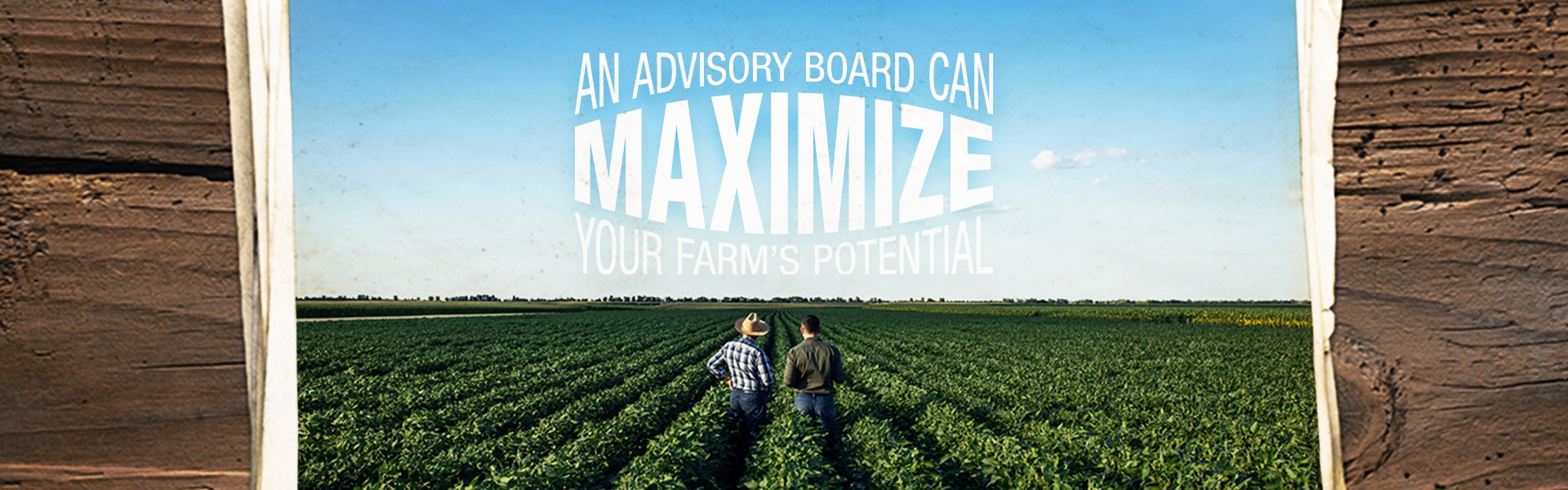
You already understand the land, history, and nostalgia of your farm — the smell of the dirt, the thrill of firing up the combine, the memories of Granddad’s grease-blackened hands coaxing the old Massey into running semi-smoothly through one more harvest. But could someone else offer insight that would add to the profitability and longevity of your outfit?
Maybe you’ve heard of farm advisory boards from a meeting put on at the county extension office, or in some trade magazine, or from your neighbor down the road who really seems to have things together on their farm. And maybe you’ve thought, “Huh, that sounds like a pretty good idea.” But maybe your next thought was, “How do I even start putting one of these advisory boards together?”
Well, we may not have all the answers about how to construct your farm’s dream team but following is a general outline of what a farm advisory board is and some tips to help you create a board that is tailor-made for your farm.
Step 1: Define your goals by asking the right questions.
- What do you want to achieve on your operation?
- What are the weak points?
- What kind of expertise — finance, legal counsel, succession planning, agronomy, equipment, government regulations — does your farm lack?
- What kind of commitment and responsibilities do you need from members of your board, and what decision-making authority will they have?
Step 2: Recruit your team.
- Draw from your pool of resources but also ask fellow producers, industry associations, or extension services for recommendations. While the team should be made up of people you trust, an advisory board could benefit from having members who don’t have a prior relationship with you. Building that relationship and foundation of trust can help motivate both parties to work effectively together.
- On a related note, consider carefully whether to recruit old pals or family members to serve on your board. While most of the members should be well-acquainted with the industry, some advisers suggest including individuals who can provide objective business perspectives alongside industry expertise.
- Look for people not only with diverse skills and perspectives, but also who listen well, provide candid feedback, and admit when they don’t have an answer.
- Consider including professionals with relevant expertise, such as an accountant, an attorney, a financial adviser and/or banker, based on your business’ needs.
Step 3: Set clear expectations and maintain momentum.
- Early on, establish protocols such as how often you will meet, who will lead each meeting, what the process will be for setting agendas and how to follow through on discussion points.
- Before meetings, gather your financial information and have a clear agenda so your board can provide the most relevant input. Agenda items should be thoughtful and well-planned. However, it is vitally important to set a time limit for meetings so that agreed actions get taken and team members do not experience burnout.
- Cultivate an environment where open, unbiased and independent communication is encouraged. Some farm businesses even bring in a third-party facilitator or assign a non-owner advisory team member to conduct meetings to help foster such an atmosphere.
- After your first meeting, have the next one scheduled before you leave. Many producers find that quarterly meetings work well for them. But figure out what works best for your business and your board and start with that.
A foundation of honest, trusted voices strengthens any business, especially one as multifaceted as farming. When executed properly, an advisory board can serve as a powerful springboard that can help you and your farm take your next, confident steps into a more sustainable, more profitable, and ultimately brighter future.

3 Min Read
- Today’s agricultural environment presents challenges that earlier generations of farmers didn’t have.
- A farm advisory board offers producers valuable insights that might not otherwise be brought to their attention.
- Defining goals, recruiting the right team, and setting solid meeting expectations will help an advisory board reach its fullest potential.




More Articles About Farm Operations



RECOMMENDED FOR YOU


3 Min Read