


Combat Cotton Insects and Manage Resistance
Rotate insecticides to control plant bugs, manage resistance and protect marketable cotton yield potential.

Cotton crops are vulnerable to a spectrum of insect pests, including plant bugs, mites, thrips and stink bugs. Scouting for these insects is an essential first step to protect cotton yields, followed by an insecticide rotation program to help keep populations low and manage resistance.
Learn to Identify Plant Bugs, Thrips and More
These cotton insects all use piercing mouthpieces to feed on cotton plants, but damage varies based on the specific pest. Get to know the identifying characteristics to make informed management decisions.
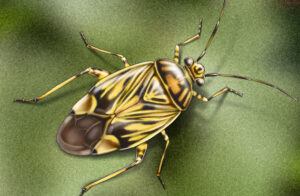
- Plant bugs, also known as lygus, are green or brown in color and have reddish-brown markings on their wings. They use their piercing mouths to feed on tender cotton plant terminals and small squares before they bloom. After bloom, plant bugs begin feeding on larger squares. Feeding damage may cause squares to abort, which can lower yield potential.
- Thrips range from yellow to black in color. With an overall body length of less than 1/12 an inch, these persistent cotton pests are small but mighty, with the potential to cause yield reductions of more than 100 pounds of lint per acre. Damage occurs when thrips infestations feed on seedlings.
- Twospotted spider mites are greenish or red in color, according to the Texas A&M AgriLife Extension. These insects pierce cotton plant cells and extract liquid from the cells. Damage first appears as white or yellowish specks called stipules. Twospotted spider mites also feed on bracts of squares and bolls. Over time, this can prematurely defoliate plants. Extended periods of injury can reduce profitable yields, fiber quality and seed.
- Stink bugs penetrate cotton bolls and feed on seeds, damaging lint quality and causing the bolls to abort. Stink bugs can transmit disease pathogens that lead to boll rot. When scouting, the North Carolina State University Extension advises you inspect bolls for small, round, shallow and purplish depressions. Other internal signs of damage include small wart-like growths or dark pinprick spots on the inside of the boll wall. Though similar to tarnished plant bug damage, stink bugs damage larger bolls than plant bugs.
Control Tough Insect Pests and Prevent Resistance
For consistent control of these cotton insects, rotating insecticides with multiple modes of action is an important management strategy.
Vertento® insecticide, powered by PLINAZOLIN technology, is an important addition to insecticide rotation programs. Its innovative active ingredient provides exceptional protection against plant bugs and other economically significant cotton insects.
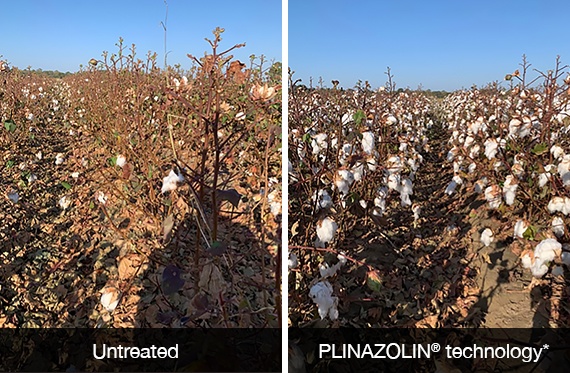
Vertento introduces a novel mode of action in IRAC Group 30 with no cross-resistance to other modes of action. With increasing incidence of resistant populations of insects, options like Vertento help replace older chemistries to manage resistance while providing excellent control of challenging pests.
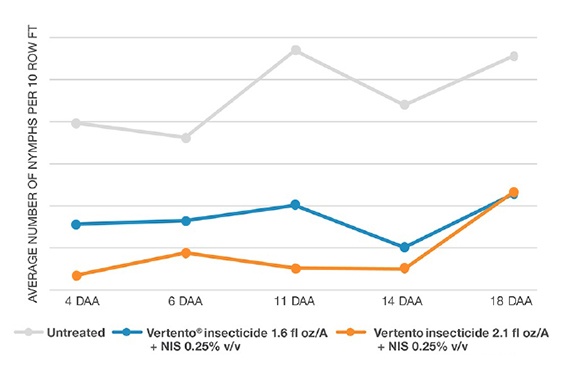
For additional information about protecting marketable cotton yields, controlling tough insects and managing resistance, reach out to your Syngenta representative.

3 Min Read
- Cotton crops are vulnerable to insect threats including plant bugs, mites, thrips and stink bugs.
- Rotating insecticides with multiple modes of action is an important resistance management strategy.
- Vertento® insecticide is an important addition to insecticide rotation programs.

More Articles About Field Insights



RECOMMENDED FOR YOU