Feed and Protect Your Soil After Harvest
Fall-planted cover crops can help protect Midwest fields through the winter while promoting field performance in the spring.
3 Min Read
Harvest marks the end of one growing season and begins the preparation for the next. What you do in the months after the combines leave the field can nourish the soil and positively impact next spring’s field conditions.
Midwest corn and soybean fields are exposed to rain, snow, wind and a broad range of temperatures for several months between harvest and planting. Without active crop growth, soil is vulnerable to erosion and nutrient loss. That risk is one of the reasons why cover crop consideration is an important part of a long-term management strategy.
Why Growers Plant Cover Crops
Cover crops are planted primarily to benefit the soil rather than to produce a harvested crop. They help keep living roots in the ground between cash crop growing seasons to support and protect fields that might otherwise sit bare.
Interest in cover crops continues to grow. According to the USDA Economic Research Service, cover crop adoption has increased over the past decade, with cover crops planted on 8% of U.S. corn acres and 11% of soybean acres in recent survey years.
How to Get Started With Cover Crops
Start With a Goal
Identify your goals before selecting which cover crop species to plant. Are you looking to:
- Reduce erosion?
- Capture nutrients?
- Improve water infiltration?
- Suppress weeds?
Talk with your local Extension specialist, agronomist or retailer to help you answer these questions. Consider embarking on a small, well-defined trial to evaluate which cover crops could put the most back into your fields.
Timing also matters. Harvest date, local climate and crop rotation can all impact which cover crops will be the most successful in your fields. Resources like the Midwest Cover Crops Council’s Cover Crop Decision Tool can help you evaluate your options based on your location, cropping system and goals.
Selecting the Right Cover Crops for Your Field
Cover crops are not a one-size-fits-all practice. Different species offer different benefits. Growers can also use cover crop mixes to pursue multiple goals at once.
Some common cover crops used across the Midwest include:
| Key benefit | Common crop rotations | |
|---|---|---|
| Cereal rye | Produces significant biomass, often used for erosion control and nutrient scavenging. | Between rotation from corn to soybeans |
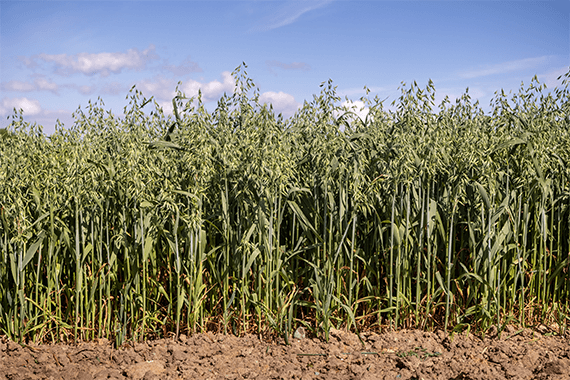
| Oats | Establishes quickly, commonly used when soil protection is a priority. | Between rotation from soybeans to corn |
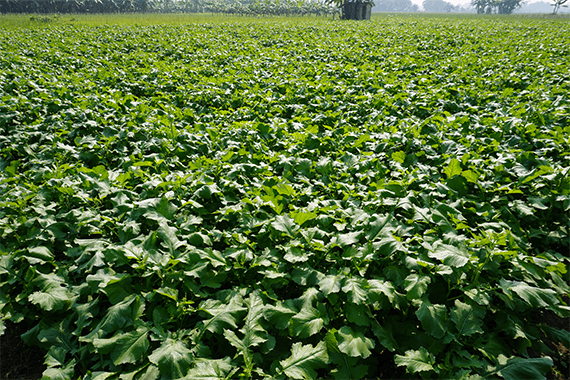
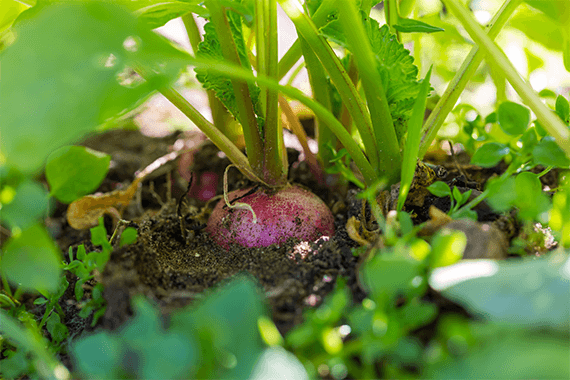
| Brassicas | Large taproots can help address compaction concerns. Include radishes and turnips. | Between rotation from wheat to corn or soybeans |
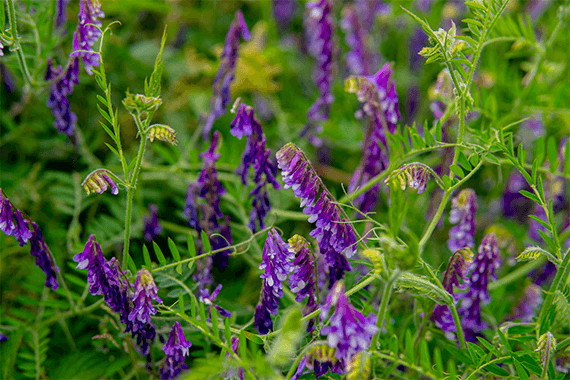
| Legumes | Commonly used to support nitrogen fixation. Include clovers and hairy vetch. | Between rotation from wheat or small grains to corn or soybeans |
Think Beyond This Year
While every field competes for attention during planting and harvest, cover crops can help keep fields working during the fall and winter months. As you plan for next season, consider what you want to accomplish and how cover crops might support those goals. With a wide range of species and management approaches available, cover crop programs can be tailored to meet the unique needs of each field and operation.

RECOMMENDED FOR YOU