


Free the Farm from Thrips and Pepper Weevils
Thrips and pepper weevils damage peppers and tomatoes and introduce disease, but Incipio insecticide can help protect yields.
3 Min Read
Thrips and pepper weevils are unwanted guests on any farm, but they pose a special threat to peppers and tomatoes. These insects can directly reduce marketable yield potential through feeding damage and can vector diseases.
Adult thrips are 1.5 mm in length and are pale to light brown in color. According to University of Florida Extension, thrips cause damage to pepper and tomato plants by feeding, which impacts plant growth, deforms flowers and scars fruit, ultimately impacting marketable yield potential. Thrips migrate from host to host throughout the year with the potential for multiple generations per season.
Western flower thrips, often found in pepper fields, are the most efficient vector of tomato spotted wilt virus (TSWV). Larvae can be found in flowers and on fruits, and adults prefer to hide in the spaces between the fruit stems and leaves.
Pepper weevils are pear-shaped beetles that are about 3 mm in length with dark scales and long snouts. Adult females bore into fruit buds and lay eggs. Larvae are grayish c-shaped grubs that enter pepper pods to feed after hatching. Virginia Cooperative Extension states that adult pepper weevils damage foliage and blossom buds; larvae feed only on the fruit buds and pods. Internal damage caused by larvae feeding can cause deformed fruit or premature dropping.
A combination of cultural practices and powerful insecticides can help prevent and control thrips and pepper weevils. Keeping fields and greenhouses free of weeds, fallen leaf litter and debris removes an alternate host for thrips. If you experienced infestations in previous seasons, deep plowing in early spring can destroy ingested weeds and plant material from last season. In greenhouses, placing fine mesh screens over fans and other vents can help prevent infestations. Destroying dropped and deformed fruit can help kill developing pepper weevil larvae or pupae.
Incipio™ insecticide is a powerful tool that can help free the farm from thrips and pepper weevils. Incipio is powered by PLINAZOLIN® technology and offers long-lasting, broad-spectrum control so you can stress less about insect pests during the season.
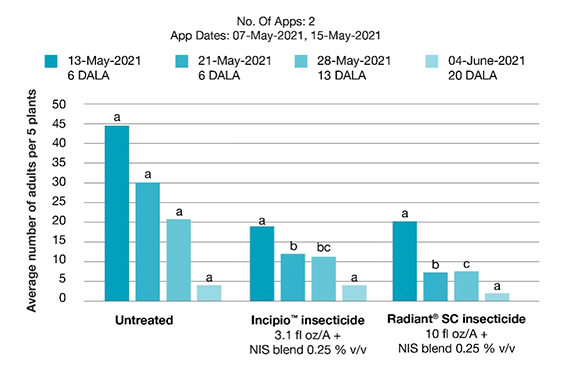
By controlling thrips, pepper weevils and other insect pests, Incipio helps manage the spread of TWSV. With no known cross-resistance, its novel mode of action in IRAC Group 30 helps growers manage resistance. This is especially important for growers dealing with thrips because thrips populations developed resistance to several available insecticides.
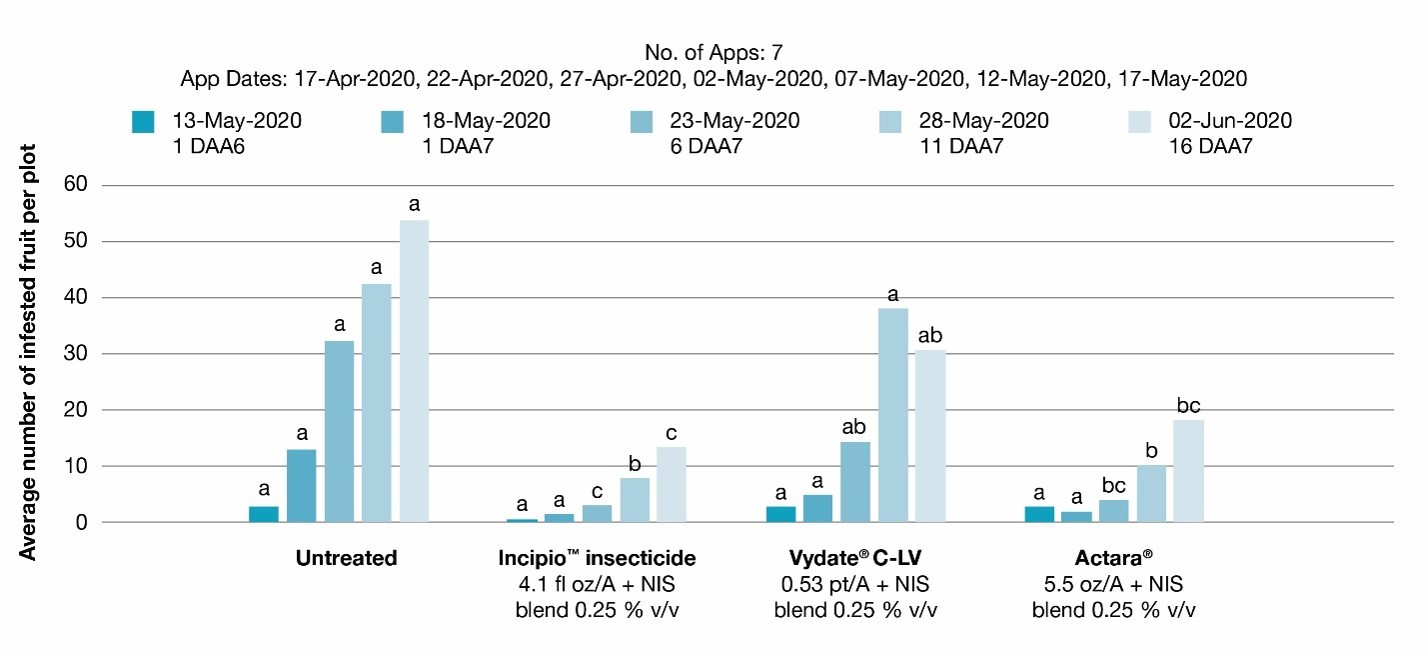
To learn more about controlling vegetable pests and the advantages of Incipio insecticide, reach out to your local Syngenta representative.

RELATED PRODUCTS

RECOMMENDED FOR YOU