

Field Insights
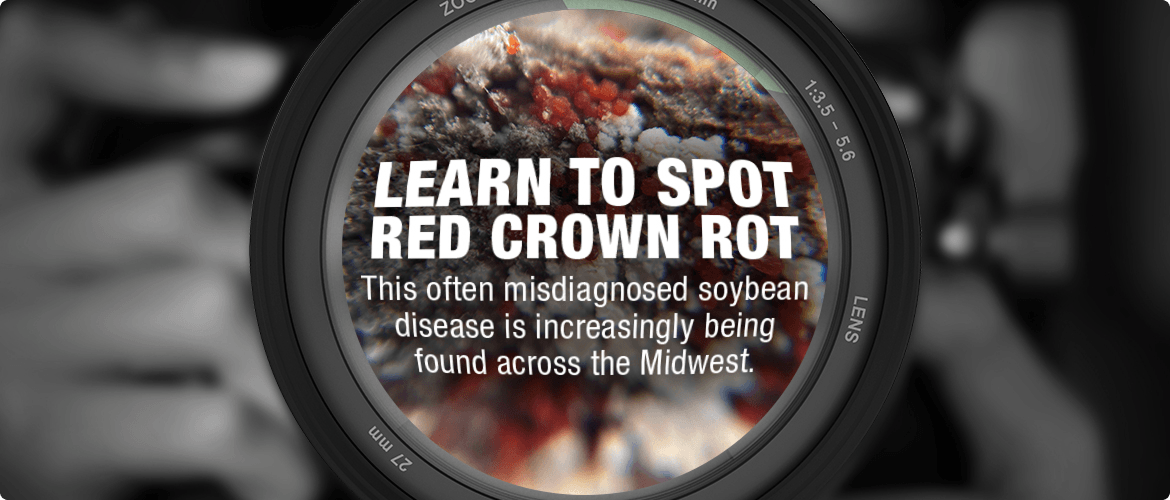
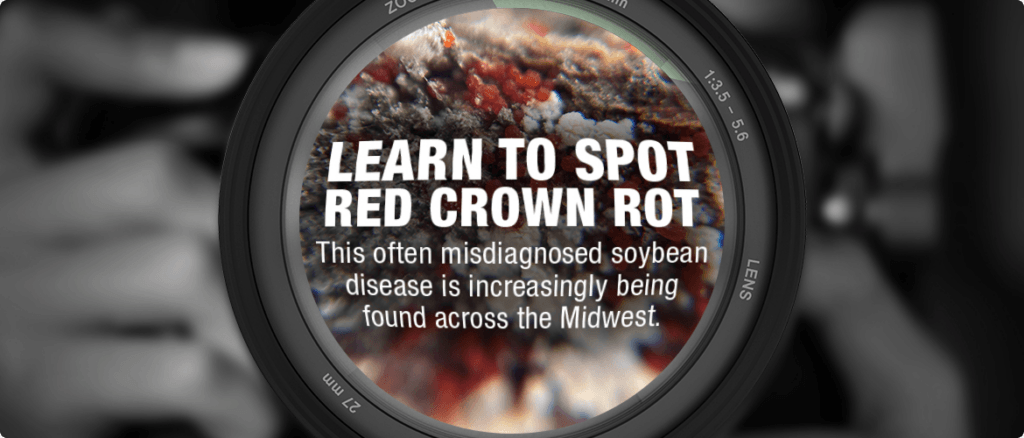
Learn to Spot Red Crown Rot
This often misdiagnosed soybean disease is increasingly being found across the Midwest.
March 2026
| BY By Syngenta Thrive
6 Min Read
Red Crown Rot (RCR) is a soilborne disease that initially appears as yellow speckling in leaf canopy and is often confused as Sudden Death Syndrome (SDS). RCR is caused by Calonectria ilicicola, a pathogen that can infect more than 110 other plant hosts. Severe RCR infections can lead to yield losses of over 50%.
Use the guide below to help protect your beans from this destructive (and difficult-to-diagnose) disease!
Use the guide below to help protect your beans from this destructive (and difficult-to-diagnose) disease!

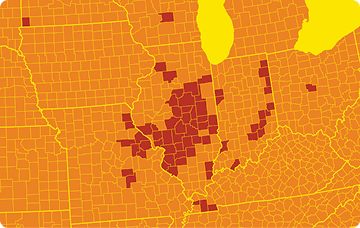
Initially impacting regions with peanut rotations, RCR was first confirmed in U.S. soybeans in North Carolina in 1972 and later in Louisiana and Mississippi in the late 1980s and early 1990s (though it never reached significant levels at the time). Then in 2017, pathologists identified the disease in several western Illinois fields, where yield losses of more than 25 bushels per acre suggested it had gone undetected for multiple seasons — due to its patchy infections and look-alike symptoms. Since then, RCR has been found across the Midwest, with confirmed cases throughout Illinois and parts of Indiana, Kentucky, Missouri, Minnesota, Ohio and Wisconsin.

Infection Conditions
Ideal environmentCalonectria ilicicola lives in the soil as microsclerotia or tiny hardened structures that survive for several years without a host. They germinate in favorable conditions and infect host roots, thriving in wet soil when temperatures range from 77°F to 86°F and impacting soybeans most heavily the first three weeks of emergence. In some areas, double-crop soybeans risk developing RCR more often, likely because they are planted into warmer soil conditions. This is contrast to SDS, which prefers cooler, wetter conditions during early establishment.
Distribution and Spread
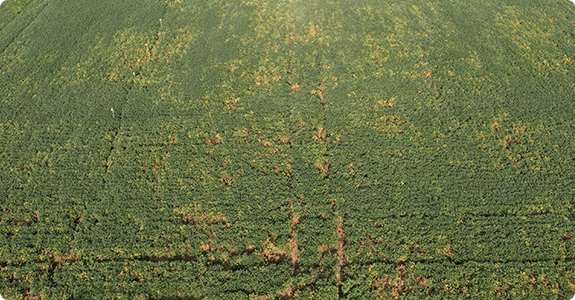
Soil movementRCR starts with individual plants or small patches, usually appearing first at field edges, entries or heavily trafficked areas. It spreads by physical means: with soil movement, surface water movement, wind and tillage, while wind, animals and equipment disperse it further. In serious cases, where large portions of fields are affected, RCR has likely been present for years.
Early-season Symptoms
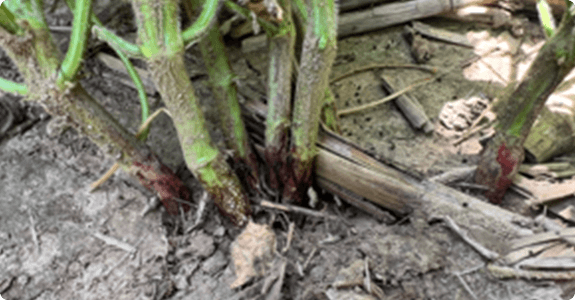
Stem discolorationDuring vegetative growth, as early as V1 or V2, the only visible symptom of RCR infection is reddish discoloration at the base of soybean stems. It’s rarely found early enough to see just this symptom. But in fields with a known history of RCR, check young soybeans for reddish stems at the soil line. At this point, RCR causes stand loss and stunts plants.
Mid-season Symptoms
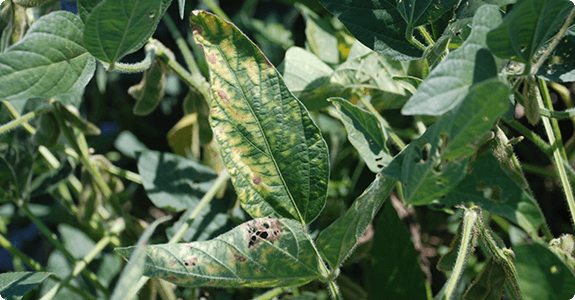
Foliar signsMore noticeable RCR symptoms appear during reproductive growth stages, when it affects leaves. Foliar symptoms start as small yellow or light green spots between leaf veins. These expand to interveinal chlorosis, so leaf veins stay green while tissue between veins loses color and dies. Dead leaves often remain attached to the soybean plant. However, roots can rot without foliar symptoms.
Late-season Symptoms
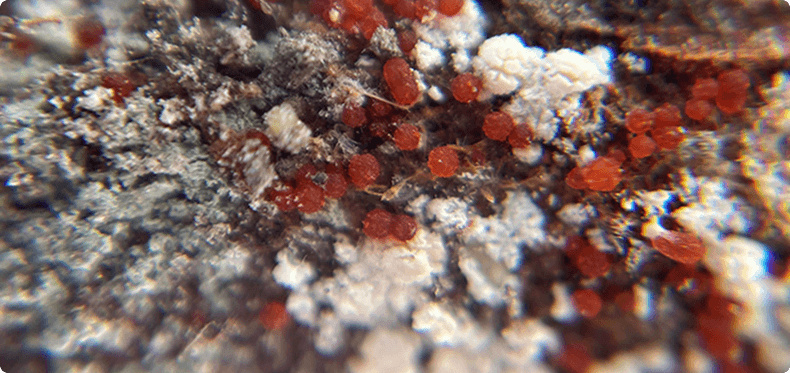
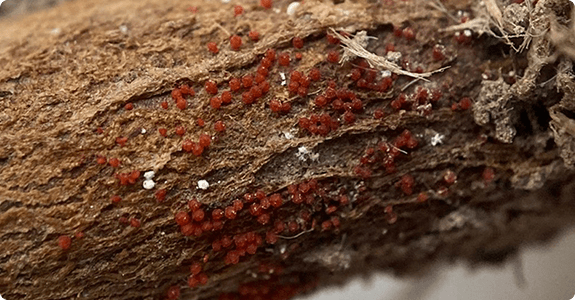
Spore-producing structuresLate in the growing season, small reddish or rusty-orange balls appear on lower stems. These structures, called perithecia, are key to identifying RCR. They often develop alongside white hyphae or a fuzzy white growth. By this point the canopy is deteriorating rapidly. With this loss of foliage, the yield potential is likely depressed significantly.

Both foliar and stem RCR symptoms mimic other soybean diseases with different management strategies. Early in the season, RCR looks like various root rots, all caused by different fungi. As infected soybeans mature, warm, wet weather triggers RCR to produce a toxin that creates common leaf symptoms. Correctly identifying diseases is key to effectively addressing the problem.
To accurately identify RCR versus other diseases, check records or try to recall early-season field conditions, soil temperatures and stem discoloration that may flag disease development during planting and emergence. But don’t play plant pathologist. For a conclusive diagnosis, submit supicious plants to your local Land Grant University plant diagnostic clinic.
To accurately identify RCR versus other diseases, check records or try to recall early-season field conditions, soil temperatures and stem discoloration that may flag disease development during planting and emergence. But don’t play plant pathologist. For a conclusive diagnosis, submit supicious plants to your local Land Grant University plant diagnostic clinic.
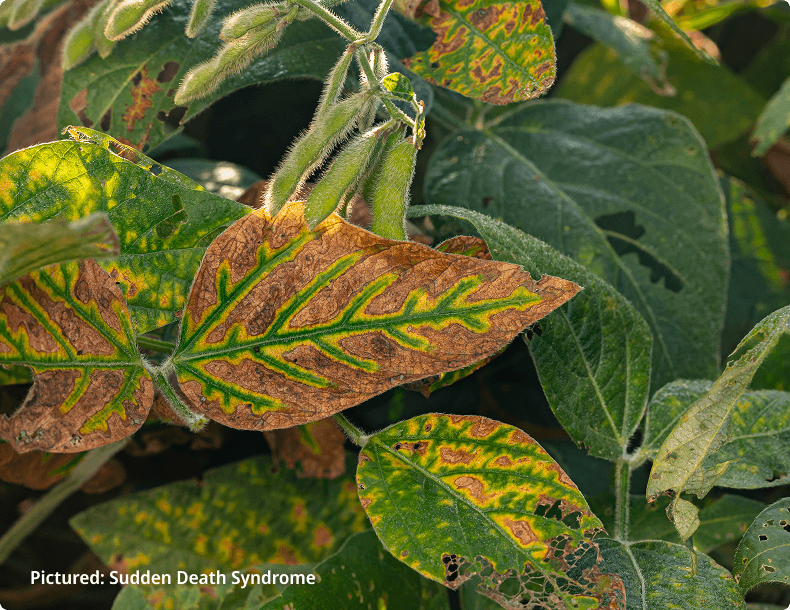
Sudden Death Syndrome
RCR is most often misdiagnosed as Sudden Death Syndome (SDS). However, SDS thrives in wet, moderate soils as seedlings develop, compared to the warmer temperatures favored by RCR. Stems of SDS-infected plants will have white pith. Though seen less often, SDS also causes blue spore structures on the taproot.Brown Stem Rot
Brown stem rot causes foliar symptoms similar to RCR. It develops under cool, wet soil conditions, often in continuous soybean fields. As the name suggests, brown stem rot causes the center of soybean stems to rot completely, leaving just the outer tissue. Cut stems open to look for this.Stem Canker
In some regions, foliar RCR symptoms can be mistaken for stem canker, which causes patchy brown or black lesions on the outside of the stem. Stem canker develops in rainy, wet weather early in the season.Fusarium Root Rot
Like RCR, Fusarium root rot or wilt causes overall root decay, reduces early-season stands or stunts plant growth. While they show similar foliar symptoms, Fusarium pathogens attack under long periods of cool, wet conditions starting early in the season, with infection tending to be widespread.Rhizoctonia Root Rot
Stems infected with RCR can be confused with Rhizoctonia root rot, which causes sunken, reddish-brown lesions on young soybean stems at the soil line. Warm, wet, poorly drained soils also promote Rhizoctonia infection. However, Rhizoctonia wilts or yellows leaves and darkens leaf petioles.Phytophthora Stem Blight
Another RCR misdiagnosis is Phytophthora stem blight, a water mold that thrives in saturated soils and prefers warm temperatures. It causes chocolate-brown lesions on soybean stems that start at the soil line and move up the plant. Leaves wilt and yellow, while staying attached to stems, eventually killing the plant. Like RCR, Phytophthora stem blight can cause plants to quickly “collapse” later in the season, leaving rapidly deteriorating plants or parts of plants.Potassium Deficiency
RCR can be mistaken for advanced potassium (K) deficiency in soybeans, due to leaf yellowing between veins. Unlike RCR and other diseases, K deficiencies usually occur under drought conditions. Leaves start yellowing at the edges, and discoloration moves toward the center vein over time.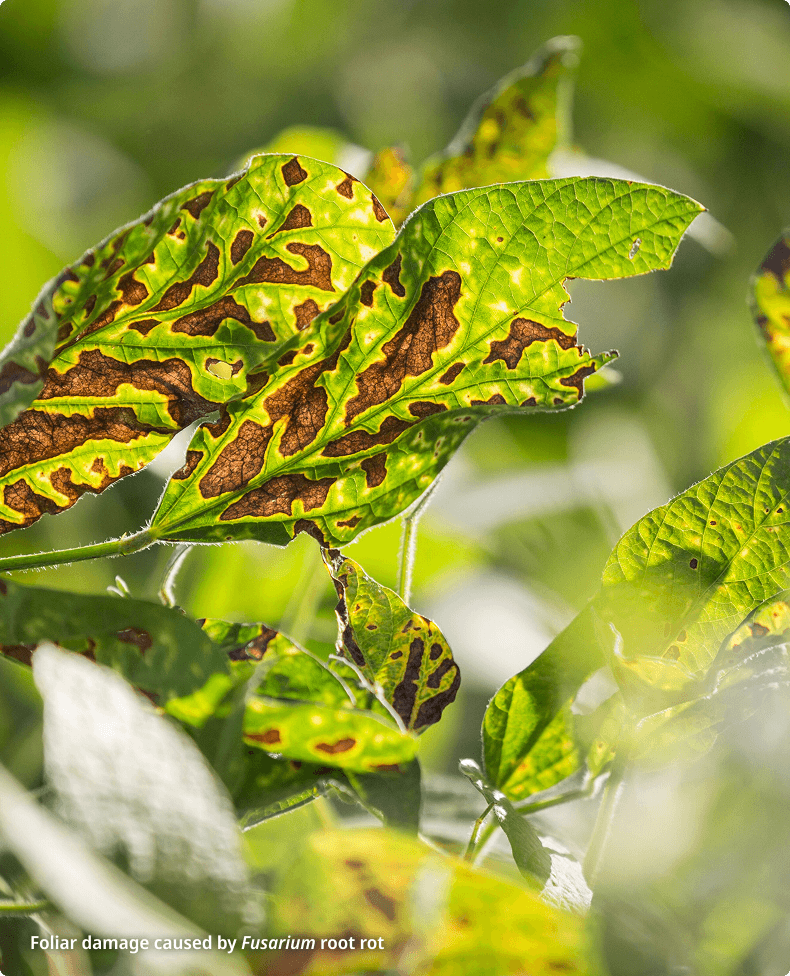


Resistant Soybeans
Even though soybean breeders have identified some sources of resistance to RCR, currently no commercial varieties are considered truly resistant. But because they vary their susceptibility, choose varieties that appear to handle RCR pressure better.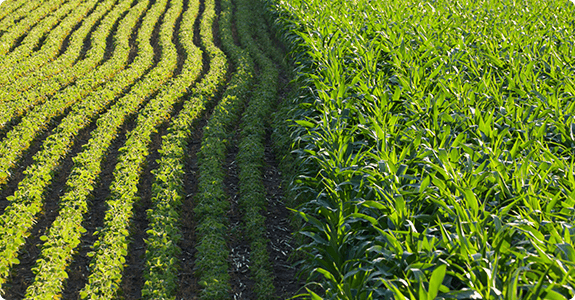
Crop Rotation
RCR can survive in soil for years and uses many plant hosts, so crop rotation has limited management value. In corn-soybean rotations, the rotation timing is too short to impact disease levels in the soil.
Cultural Practices
Due to the persistence of Calonectria ilicicola in soil, tillage spreads RCR. Limit potential spread between fields by planting, harvesting or working infected fields last and thoroughly cleaning equipment afterward. Minimize trips across the field and reduce tillage to slow its spread.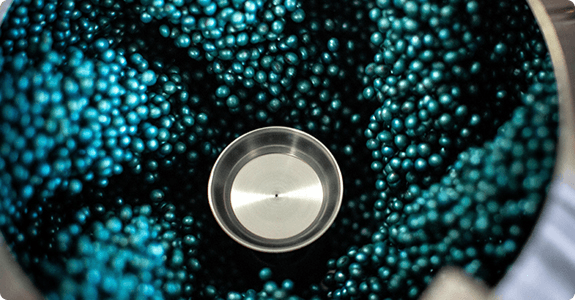
Chemical Defense
Some soybean seed treatments suppress RCR, protecting seedlings (most severely impacted by RCR) the first three weeks after germination. Plus, managing other soybean diseases and stresses helps minimize the impact of RCR infections, so consider protection from known issues like nematodes and other diseases and pests.

Saltro Fungicide Seed Treatment
As a seed treatment, Saltro® fungicide seed treatment protects soybean seeds against SDS and soybean cyst nematode, and it also has a 2(ee) label for RCR suppression in Arkansas, Illinois, Indiana, Iowa, Kentucky, Minnesota, Missouri, Ohio, Tennessee and Wisconsin. It uses ADEPIDYN® technology to interrupt respiration in fungal pathogens like Calonectria ilicicola. For fields prone to RCR, treating soybeans with Saltro could help limit yield loss.
Victrato Seed Treatment
Victrato® seed treatment is the first seed treatment with a federal label for suppression of RCR as it offers a new level of protection. It also defends soybeans against multiple plant-parasitic nematode species and SDS without interfering with beneficial organisms. Featuring a new active ingredient, TYMIRIUM® technology, Victrato delivers the most robust level of protection available against diseases including RCR.
Suspect RCR in a soybean field? Check the confirmation map to see if it’s nearby. Then, work with agronomists or extension specialists to submit samples to the appropriate plant diagnostic lab. Once RCR has been confirmed, scout for symptoms, manage other crop stresses and clean equipment before moving to another field. In future seasons, consider using a fungicide seed treatment that suppresses RCR and monitor for conditions conducive to disease development.
Additional sources (beyond Syngenta materials):
Red Crown Rot of Soybean, Crop Protection Network, 2019
Red Crown Rot Map, Crop Protection Network
Red Crown Rot: Understanding Its Impact and How to Manage It, Crop Protection Network, 2025
Red Crown Rot of Soybean, Crop Protection Network, 2019
Red Crown Rot Map, Crop Protection Network
Red Crown Rot: Understanding Its Impact and How to Manage It, Crop Protection Network, 2025
Share this story

More Articles About Field Insights
RECOMMENDED FOR YOU