Ask the Experts: Why Do Products With the Same A.I. Perform Differently?
Meet the expert: Jeremy Fowler, Ph.D., group leader of formulation development at Syngenta.
As formulation chemists, Fowler and his team work to translate growers’ needs into physical and chemical performance metrics. That means they measure a product’s performance based on how well it meets or exceeds the needs of the customers who use them — in addition to making sure every Syngenta product is stable and robust.
Q: Growers often compare products by looking at the active ingredient. What does that comparison miss?
A: Products may share active ingredients, but the value and robustness of formulations lie in the precise balance of every component in a mixture. Without rigorous development and customer-centric design, products may lack requirements like ease of handling or flexibility in the tank. A lower price can mean a less robust product with less dependable performance.

Q: What do we mean by formulation?
A: Formulations are the detailed compositions of active and inert ingredients that make up each product on the market.
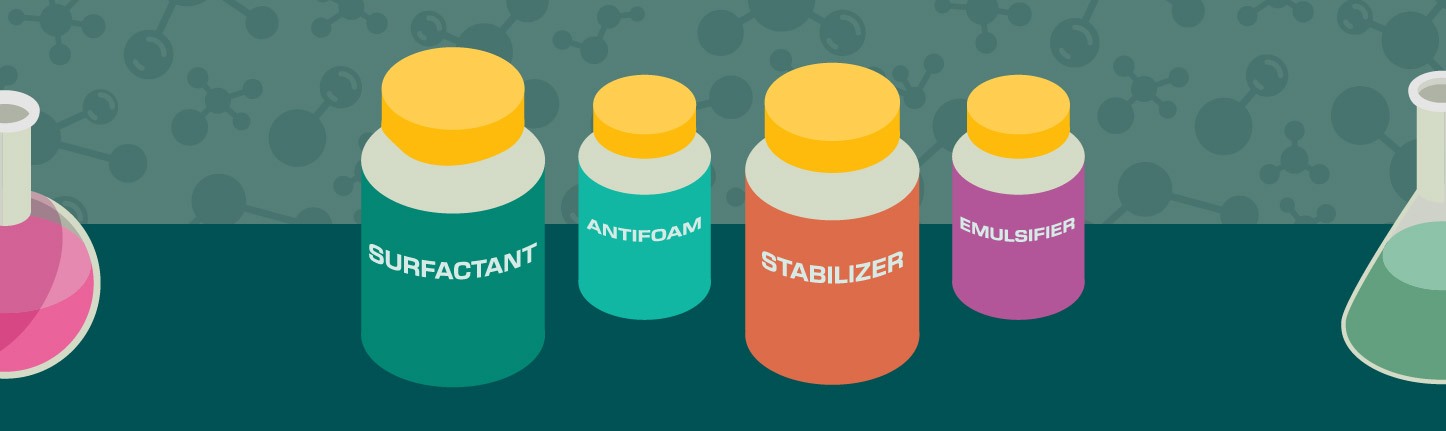
“Inert” refers to product components outside of active ingredients. They include surfactants, stabilizers, antifoams and others. Every inert ingredient in a Syngenta product has a purpose.
Q: How does Syngenta verify formulation performance?
A: Our process assesses stability across a wide range of conditions. Each final product we offer to our customers is the result of hundreds of candidates that were tested and optimized to result in the best possible product concept. When other manufacturers cut corners during the formulation process, issues often show up at application or in the supply chain. Syngenta formulations are tested to help ensure predictability in real-world conditions.

Q: Why do crop protection products contain additional ingredients?
A: Inert ingredients protect the active ingredients and help ensure performance in the supply chain, packaging and the spray tank. The chemistry in each product or combination of products in a spray tank gets very complex. We take chemical interactions into account when designing and testing products to deliver robustness and stability that our customers depend on.

Q: What does a surfactant do in a crop protection product?
A: Surfactants can serve many different purposes, including stabilizing suspended particles and emulsified oil droplets, and maintaining the microstructure needed for products to remain stable. In practice, that may mean helping spray spread and stick more evenly across leaves and enter plants more effectively.
Q: Why are emulsifiers and stabilizers important in crop protection formulations?
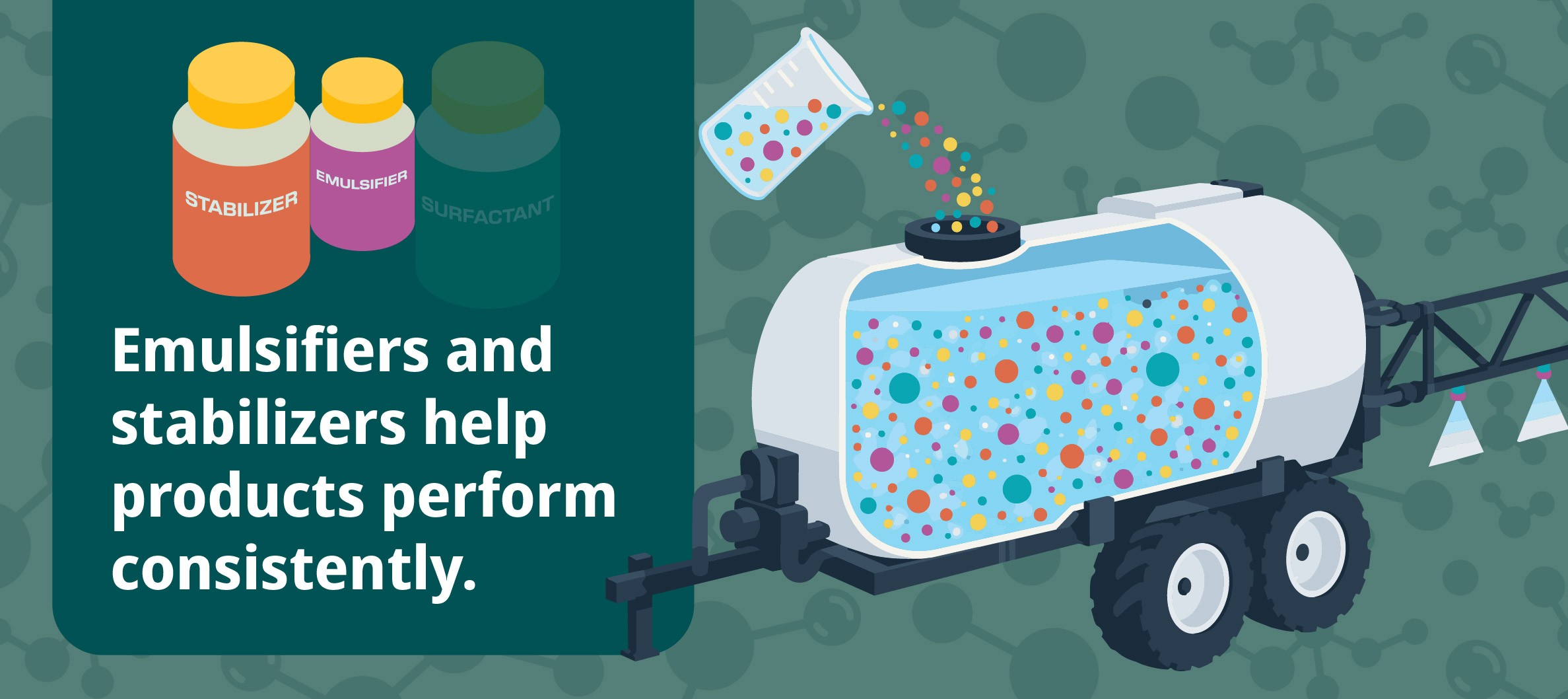
A: These help stabilize the active ingredients in individual products and tank mixes with multiple products. Our ease of handling and flexibility during application come from making a robust mixture that can tolerate a wide range of other components in a final tank mix.
What do we mean by robustness?
Robustness refers to the effectiveness and reliability of formulations. Products should perform consistently across real-world conditions, including storage, transportation, handling, tank mixing and application.


Q: Why do Syngenta products contain so many ingredients?
A: Our products may include dozens of inert ingredients (some contain more than 40!), but as we’ve seen, each one serves an important purpose. Industry-leading chemists and engineers balance these components with the actives to make the best possible product for the desired use.
Q: What do you think folks misunderstand about branded formulations?
A: Branded products are not just more expensive versions of other products on the market. Branded products benefit from the in-depth Syngenta development process which helps ensure robustness and performance our customers depend on.
Q: What do you wish growers knew about the formulation process?
A: Our process is customer-centric. We work together to understand the customers’ expectations. Their needs become our metrics and guide product development efforts for years. We also anticipate future needs to make sure that when products are ready for sale, they meet expectations at that time — not outdated use standards.

Knowing what’s in a formulation isn’t enough. What may look simple on the label is the culmination of years of research into ingredient interactions, storage and much more. It’s not enough for it to look right in the lab or jug — it must perform consistently in the real world. When you buy a Syngenta product, you pay for consistency and support on the rare chance that something goes wrong.

Q: What goes into developing and refining a formula?
A: Our process considers numerous long-term evaluations of physical and chemical stability. We conduct thorough application testing protocols to test each product concept under real use conditions trying different combinations of tank-mix partners, water hardnesses, temperatures and dynamic tank conditions. When others pull back on R&D and other investments, Syngenta keeps going.
Q: What role do retailers play in helping growers get the most from their crop protection investment?
A: We partner with the channel to make sure our products meet their expectations as well. Retailers understand the benefits of branded Syngenta products compared to others on the market and act as additional brand ambassadors helping guide growers toward the products that help them do their job more effectively.

Crop Protection Glossary
Active ingredient (A.I.): The ingredient(s) that act on the target pest, weed or disease. Inert ingredient: Product components outside the active ingredient, including surfactants, stabilizers, antifoams and others.
Formulation: The precise balance of active and inert ingredients that determine how crop protection products behave.
Surfactant: An inert ingredient that helps stabilize droplets and particles in a chemical mixture. Can also help different products be stable together in tank mixes.
Emulsifier: A class of surfactant that stabilizes oil droplets in water-based systems, makes stable emulsions.
Stabilizer: A more general term for anything that helps support the various stability criteria, both chemically and physically.
Antifoam: An inert ingredient that helps control foam in the tank so the product mixes, handles and applies more consistently.
Microstructure: The arrangement of particles, droplets and ingredients within a formulation that helps the product stay stable and perform as intended.

More Articles About Tech & Research


RECOMMENDED FOR YOU